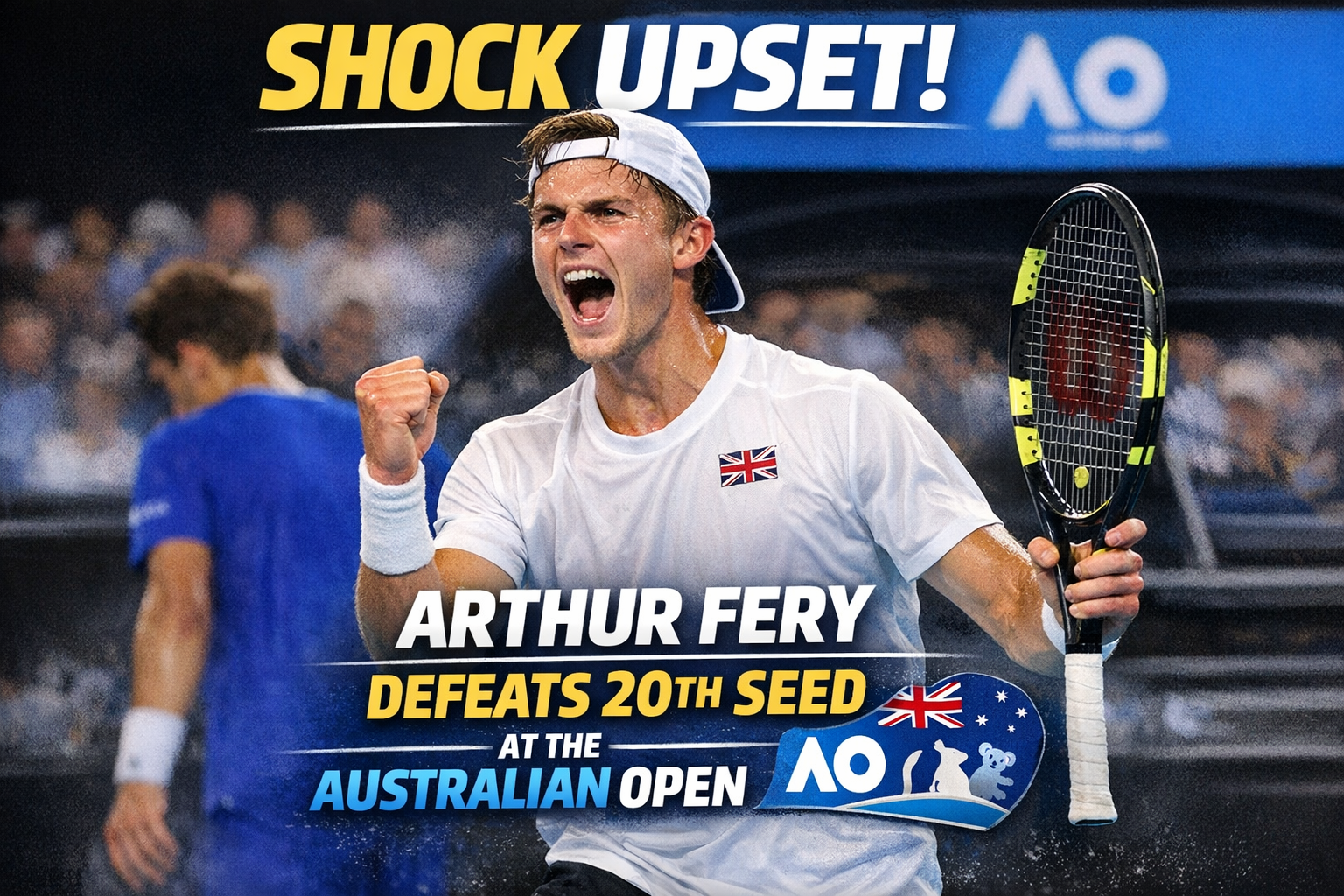
Arthur Fery walked onto John Cain Arena as a qualifier and left as the man who delivered the first upset of this Australian Open.
The 23-year-old Brit beat Italy’s 20th seed Flavio Cobolli in straight sets and did it with a mix of fearless ball striking, tidy game management and a slice of fortune when his opponent struggled physically during long rallies.
Qualifier turns favorite-slaying into a habit
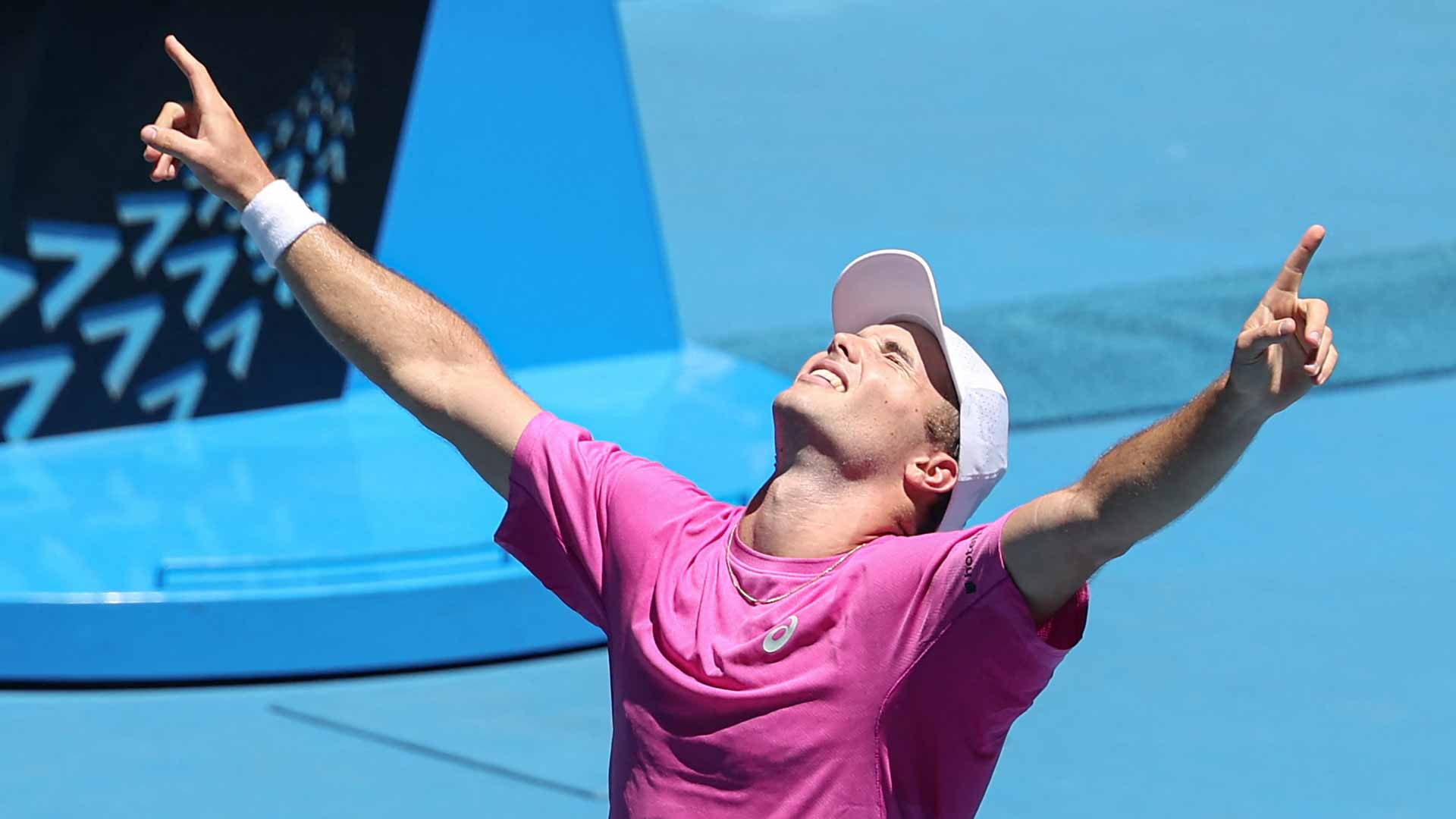
Fery’s scoreline read 7-6 (7-1) 6-4 6-1, and the result was never merely a flash in the pan: the Londoner has now notched two of his three tour-level victories at Grand Slams, and he took full advantage of an opponent who never quite found his rhythm.
From the start Cobolli looked off color, leaving the court at the end of the opening set for an urgent break and later taking medical time-outs while the match still hung in the balance at John Cain Arena.
That said, Fery made the game plan look effortless. He moved Cobolli around, injected pace into rallies and punished short replies, showing that his ground game has real bite despite a lack of imposing serve power.
Incredible experience here,
Arthur Fery
Fery reflected on the moment in his on-court interview and praised the crowd, adding perspective to a performance that will be remembered for both timing and temperament as much as for shotmaking.
His rise this week was not entirely out of the blue; Fery had already stunned 20th seed Alexei Popyrin at Wimbledon last year, so he knows how to turn seeded opponents’ pressure back on themselves.
Why the upset mattered — and what comes next
Beyond the headline, the match exposed the razor edge of Grand Slam first rounds where fitness and small details matter as much as raw ranking numbers, and Fery’s No. 185 status now reads a little differently after this win.
He converted six of 10 break points and closed the contest after a clinical final set, serving out with composure to earn only the third tour-level victory of his career and the first major scalp in Melbourne.
Next up for Fery is a clash with either Serbia’s Miomir Kecmanovic or Argentina’s Tomas Martin Etcheverry, both players who have been ranked inside the top 30 and who represent a step up in length and tactical nuance.
On the flip side, Cobolli’s predicted reliance on rhythm was disrupted by stomach trouble and repeated medical visits, and his body language told the story long before the scoreboard did as Fery moved through the gears.
For British tennis fans there is a warm glow to these moments: Fery grew up near Wimbledon and combined an American college route at Stanford with the kind of steady temperament that helps qualifiers thrive on the big stage.
Small frame, big results
At around 5ft 9in, Fery does not intimidate with size, but he serves smartly and covers the court well, deploying a mix of forehands and timely net forays that belied his ranking and often left Cobolli with too much court to defend.
Industry observers noted that Fery had gone through qualifying without dropping a set and that his recent form includes a run where he won 47 of his last 60 matches, figures that help explain why he felt ready rather than overawed in Melbourne.
The narrative is pleasingly tidy: a young player using college tennis as a launchpad, a family background steeped in sport, and an appetite for the big courts that he described plainly in his post-match interview.
Whether this victory will become a springboard deeper into the draw remains to be seen, but for now Fery has delivered a story the tournament needed — an upset, played with poise, that gives the fans a new name to chant.
Join the conversation on Facebook.

Christoph Friedrich is a German tennis player and coach currently residing in Oakland, California. He began his tennis journey at the age of eight and has since dedicated his life to the sport. After working as a tennis coach and hitting partner in New York City for eight years, Christoph decided to share his knowledge and experience with tennis players around the world by creating the My Tennis Expert blog. His goal is to make tennis education accessible to everyone and help players select the best equipment for their game, from racquets and strings to shoes and overgrips. Christoph's extensive research and expertise in tennis technology make him a valuable resource for players of all levels.