
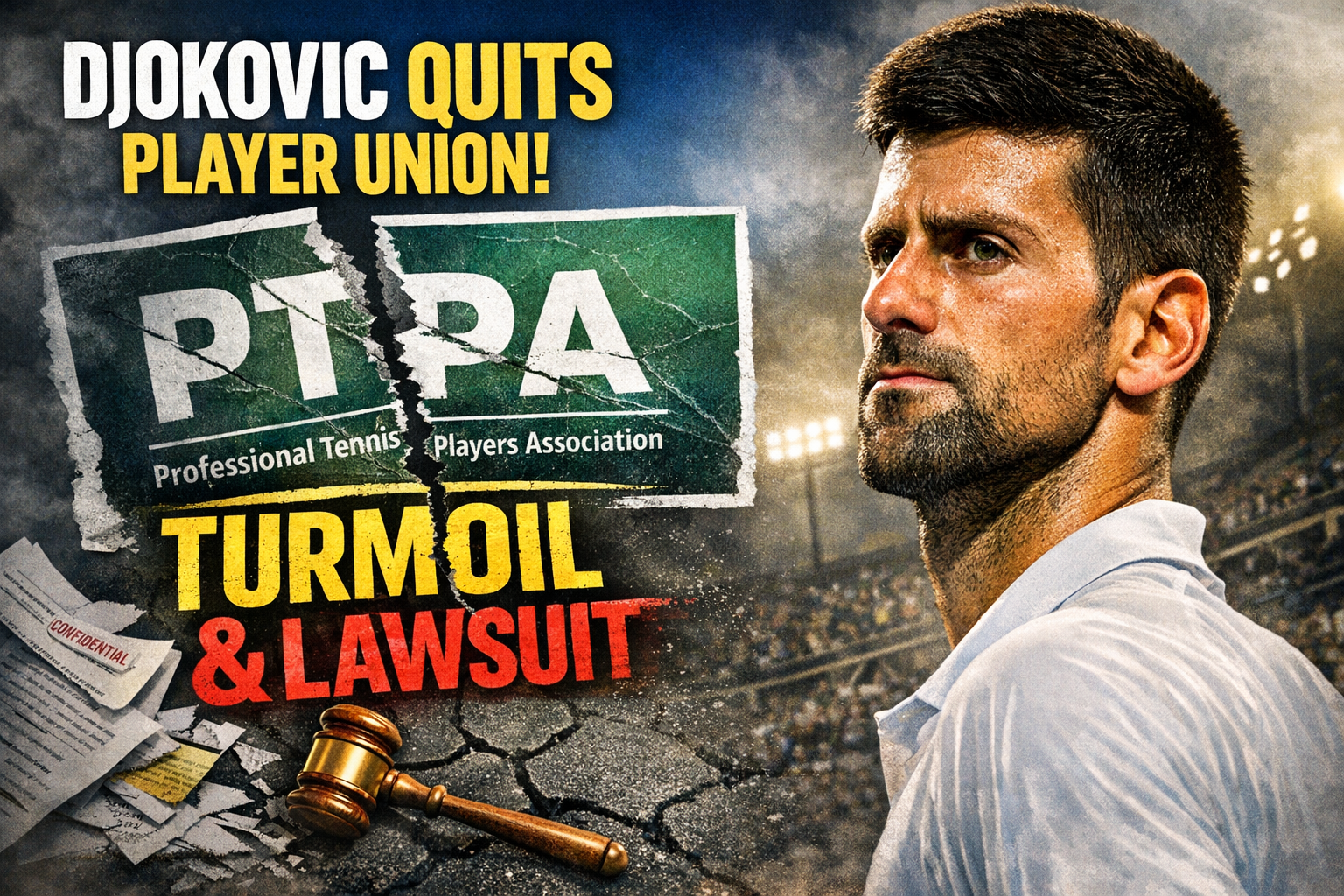
Novak Djokovic has announced he is stepping away from the Professional Tennis Players Association, the player union he helped launch, and it is not a quiet goodbye from the back of the court.
His departure follows a string of tensions between the PTPA and tennis authorities, and comes as the organisation presses legal claims against the sport’s governing bodies over governance, player welfare and alleged anti-competitive practices.
Why the split happened
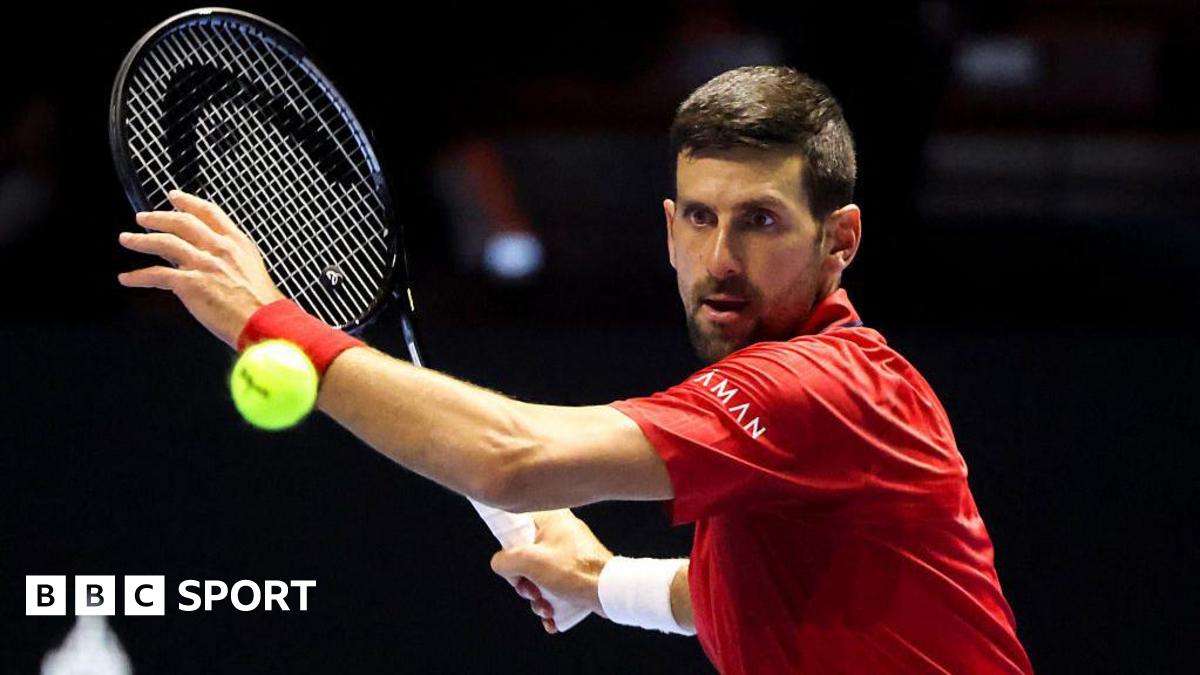
Djokovic and Vasek Pospisil founded the PTPA in 2021 with the stated aim of giving players a stronger, independent voice, and Djokovic says he remains proud of that initial vision even as he withdraws from active involvement in the organisation’s current form.
After careful consideration, I have decided to step away completely from the Professional Tennis Players Association.
Novak Djokovic
He added concerns about “transparency, governance, and the way my voice and image have been represented” as central reasons behind his decision, language that underlines a dispute over how the union has operated and communicated under its leadership.
Djokovic also wrote he was proud of the original idea he shared with Pospisil but that “my values and approach are no longer aligned with the current direction of the organisation,” a line that makes clear this is a philosophical as well as a practical break.
On the court he remains unchanged in ambition and status, still one of the game’s most decorated players, and he promises to “focus on my tennis, my family, and contributing to the sport in ways that reflect my principles and integrity,” a sign he is turning attention back to performance and personal priorities.
The legal battle behind the headlines
In March 2025 the PTPA launched legal action against the ATP, WTA, International Tennis Federation and the International Tennis Integrity Agency, accusing them of anti-competitive practices and a disregard for player welfare, a move that escalated the conflict into the courts.
The ATP and WTA have strongly rejected the PTPA’s allegations and said they would defend themselves, while Djokovic admitted at the time he did not agree with the entirety of the PTPA’s case, signalling early internal disagreement about strategy and messaging.
The PTPA has also drawn attention with forceful complaints about the touring calendar and testing practices, labelling the schedule “unsustainable” and demanding an end to “invasive searches of personal devices and random middle-of-the-night drug tests” by the integrity agency.
What this means for tennis going forward
Djokovic’s exit lands ahead of the Australian Open and after reports that the PTPA was near a deal with Tennis Australia, adding an extra layer of uncertainty to how player representation and tournament relations will be managed in the months to come.
The split will force a re-examination of who speaks for elite players and how a breakaway union balances collective advocacy with individual reputations, particularly when its co-founders include household names with significant commercial and sporting profiles.
For the PTPA leadership and for Vasek Pospisil the departure of Djokovic is a substantive test: can the organisation maintain momentum in its legal and negotiating strategy without one of its most famous founders publicly linked to its decisions?
The wider governance debate in tennis is unlikely to evaporate because one co-founder has left; calls for greater transparency and clearer accountability were already on the table, and Djokovic’s move will sharpen the focus on how player voices are organised and represented.
At the same time Djokovic still retains enormous influence on the sport and remains a central figure in grand slam conversation. His record includes winning 24 major singles titles, and his choices off court are always watched almost as closely as his choices on it.
For now Djokovic says “this chapter is now closed” and wishes those involved the best as they move forward; the PTPA must now navigate legal trenches and public scrutiny without the visible backing of one of tennis’s most prominent stars.
The debate about how best to protect players, improve welfare and govern the sport will continue, and Djokovic’s departure is likely to intensify negotiations behind the scenes as stakeholders try to avoid a prolonged split that could unsettle the tour.
Join the conversation on Facebook.

Christoph Friedrich is a German tennis player and coach currently residing in Oakland, California. He began his tennis journey at the age of eight and has since dedicated his life to the sport. After working as a tennis coach and hitting partner in New York City for eight years, Christoph decided to share his knowledge and experience with tennis players around the world by creating the My Tennis Expert blog. His goal is to make tennis education accessible to everyone and help players select the best equipment for their game, from racquets and strings to shoes and overgrips. Christoph's extensive research and expertise in tennis technology make him a valuable resource for players of all levels.