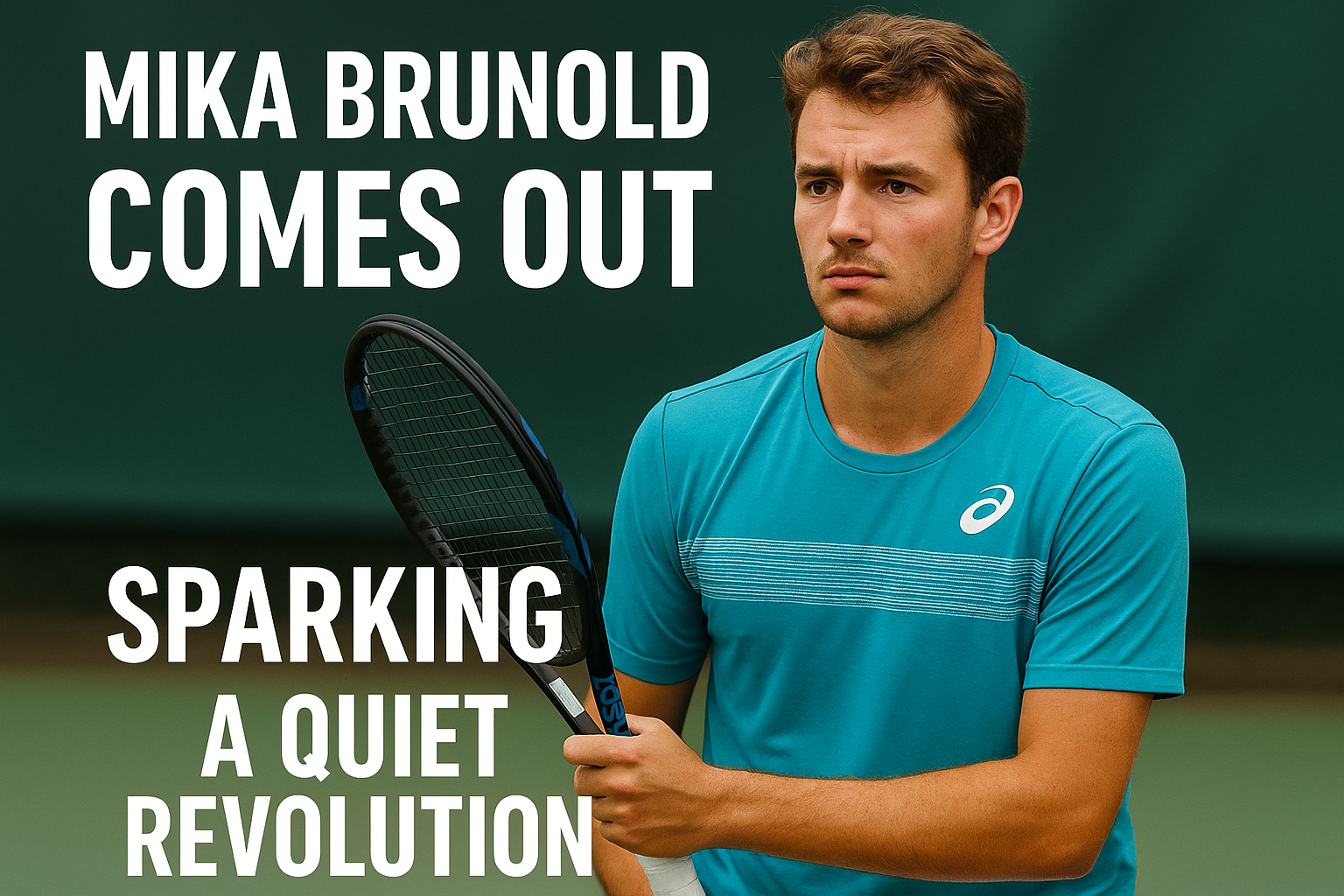
Mika Brunold has stepped into a brighter spotlight after revealing his truth, sparking a broader conversation about identity, courage, and the evolving culture of tennis.
The 21-year-old Swiss rising star announced his sexuality in an Instagram post on November 30, choosing honesty over silence as he progresses through the ATP Tour, and inviting fans to reexamine what competitive sport can feel like when truth leads.
Brunold Opens Up About Identity On The Court

‘Being gay doesn’t (just) mean loving the same gender – it also means dealing with things most people never have to think about,’ part of his lengthy post read.
Mika Brunold
In his lengthy Instagram caption, Brunold spoke of fears of non-acceptance and the mounting pressure to stay quiet, explaining that stepping forward was as much about personal healing as public accountability, and about offering a model for others everywhere.
The Swiss player, who has achieved three ITF titles and reached Challenger semi-finals in 2025, framed his decision as part of a wider arc toward openness among athletes under scrutiny, suggesting courage can coexist with relentless preparation.
Brunold’s Journey, The Bigger Picture
Brunold’s coming out arrives amid a growing wave of candid conversations in sport, a trend that has seen competitors balancing performance with personal identity in a more public way, shaping sponsorship narratives and media coverage around authenticity rather than merely results.
Support on social media quickly followed, with figures from the broader sports world acknowledging the moment and underscoring the importance of inclusive environments for young athletes, while opponents offered congratulatory messages about the courage to be oneself.
The article notes the reception across tennis circles, including messages from Isaac Humphries and Kim Clijsters, illustrating a cross-border, cross-generational sense of solidarity that extends beyond national teams and circuits, embracing a shared commitment to safety and respect.
From a historical perspective, the piece places Brunold’s move in the context of Kasatkina’s status in women’s tennis and the broader push toward visibility for LGBTQ+ athletes, signaling a shift toward normalization with no sacrifice of competitiveness.
Brunold remains ranked 310th, with three ITF titles and a recent stride into ATP Challenger territory, suggesting a rising trajectory that could be reinforced by a narrative rooted in honesty, resilience, and steady progress on the road toward the top of the game.
Other voices inside tennis have long argued for greater openness, and this moment could influence locker room conversations, media expectations, and sponsorship approaches in the years ahead, encouraging younger players to feel supported while chasing excellence.
What Comes Next For The Swiss Prospect
Coaches and sponsors may adjust support structures to nurture both performance and identity, creating spaces where openness is valued as part of a player’s development rather than a distraction, and where communication about goals, injuries, and wellbeing remains transparent.
As Brunold navigates the ATP Tour, his story could influence youth academies, locker room culture, and media portrayals, fostering a culture in which athletes feel free to be themselves without fear, while maintaining the ambition and discipline necessary to compete.
Ultimately, the daily practice of competing cleanly and speaking honestly may become a hallmark of a generation that prizes resilience and authenticity over silence, shaping how players plan careers, handle setbacks, and support teammates through challenges.
Public responses in online spaces amplified Brunold’s message, with fans and fellow players alike offering encouragement and reminders that inclusivity strengthens competition, while coaches applaud the courage it takes to front a personal story on a global stage.
The article also notes Kasatkina’s visibility and the way her openness paved precedents in the gendered landscape of professional tennis, reminding readers that openness is not isolated to one gender but part of a broader movement toward equality.
Looking ahead, Brunold’s path will include balancing training, travel, media duties, and personal advocacy, a balancing act that could redefine how athletes manage expectations while staying true to themselves and pursuing competitive excellence across tours and continents.
There is still tension in some corners of the sport, but the overall tone has shifted toward inclusion, with more players feeling safe to speak about who they are while pursuing excellence, creating opportunities for coaches, federations, and fans to grow together.
The sports world continues to watch how identity and performance can coexist, with Brunold’s path shaping future conversations about fairness, inclusion, and resilience for players across generations as the season progresses and new chapters unfold on tour.
Let’s keep the conversation going as fans, peers, and coaches reflect on how openness can strengthen the sport, and how Brunold’s journey might shape a kinder, truer tennis culture. Join the conversation on Facebook

Introducing The Tennis Expert, your insightful guide into the world of tennis. With a passion for the game that started in childhood, they have dedicated years to studying and understanding every nuance of tennis. Their keen eye for detail and deep knowledge of the sport's strategies, history, and evolving trends make them a reliable source for tennis enthusiasts. Whether breaking down a classic match or offering tips for players, The Tennis Expert combines a fan's love for the game with an analyst's eye.