Solo practice just got smarter and less lonely, with a machine that actually waits for you to catch up instead of spitting balls like an overcaffeinated ballboy.
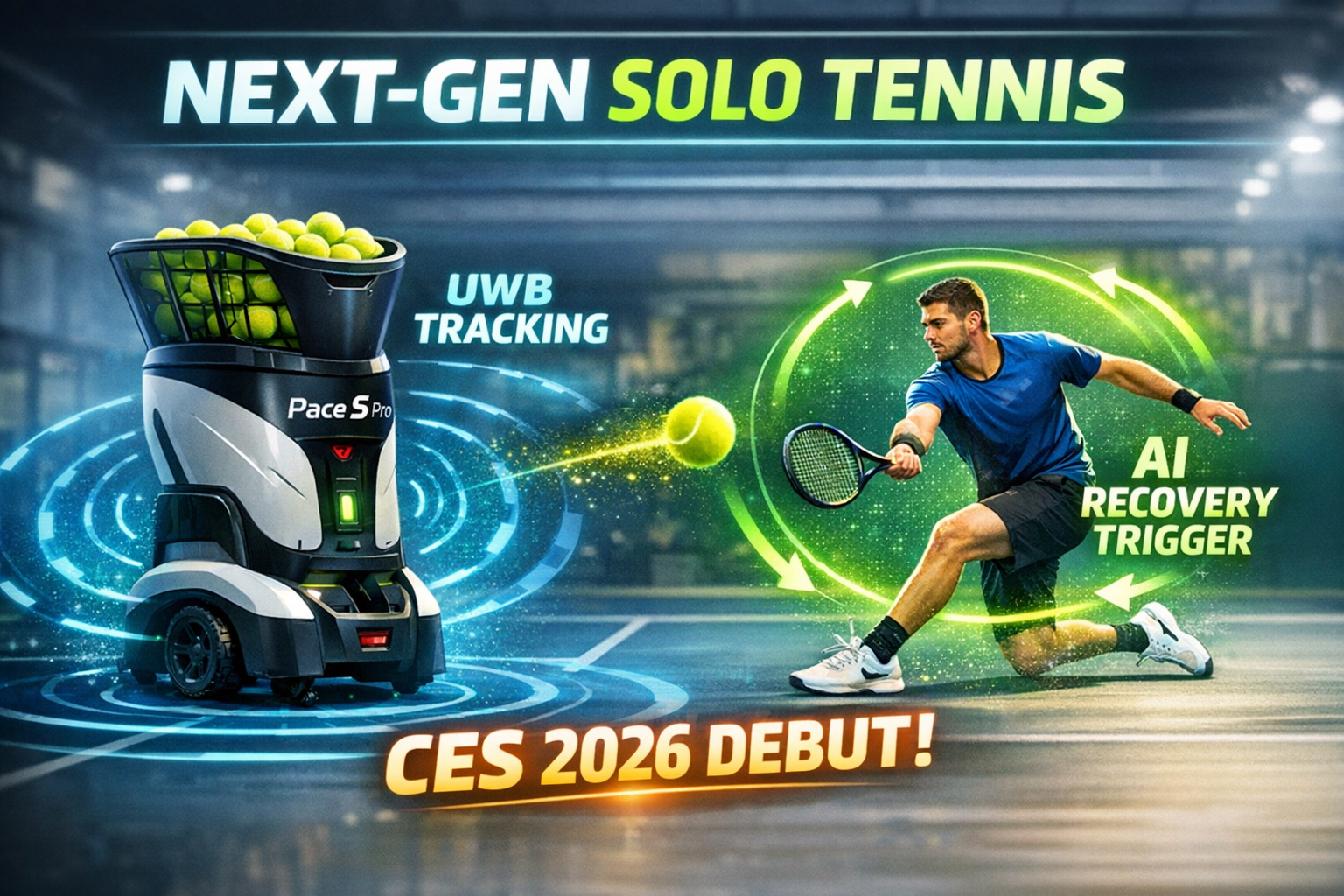
At CES 2026 Pongbot unveiled the Pace S Pro, a tennis training platform that combines Ultra-Wideband tracking and adaptive delivery to sync drills with how players move, recover, and behave under match-like rhythm.
Pongbot Brings AI And UWB To The Court
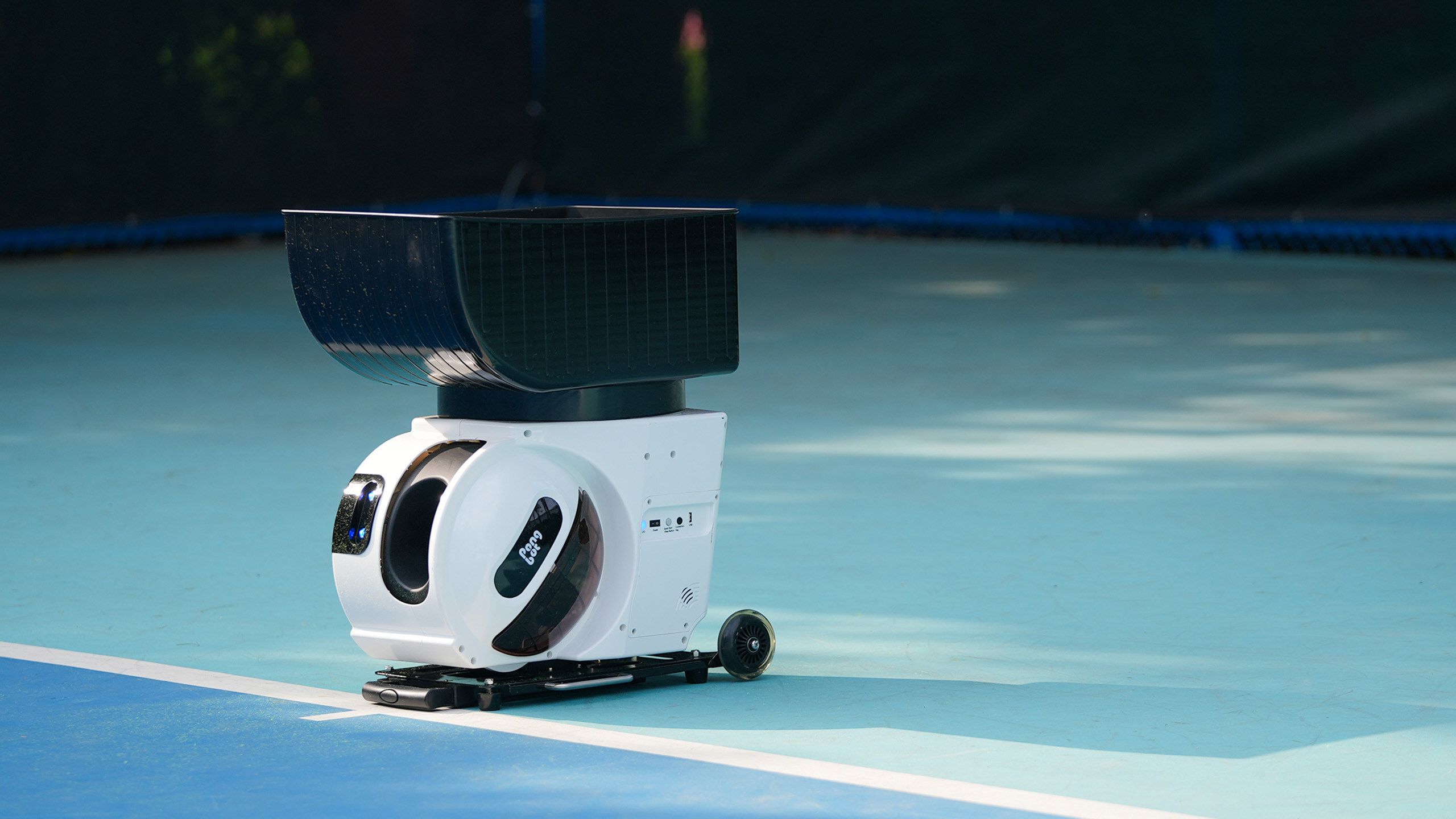
“We saw that traditional tennis ball machines were built around fixed patterns, not around how players actually move and recover,”
CEO of Pongbot
Pongbot’s leap is technical but practical: the Pace S Pro uses Ultra-Wideband instead of cameras to track players at a high sample rate, offering positional data that remains stable regardless of indoor glare or outdoor light changes.
The UWB implementation operates with a sampling rate the company notes as 100Hz and delivers sub-10cm positional accuracy, enabling the Pace S Pro to detect when a player has returned to recovery position before launching the next ball in a drill.
That detection underpins Pongbot’s Recovery Trigger approach, which replaces rigid sequences with an adaptive tempo that adjusts speed, spin, placement, and timing to match a player’s readiness and footwork during a session.
Players who have used the machine say the rhythm feels closer to a real rally, which matters because practicing timing and recovery is often the trickiest part of solo training without a live partner or coach on court.
App Control, Drills And The PongSmart Core
The Pace S Pro is controlled from a mobile app offering more than 564 preset drills and the ability to design bespoke routines for players from beginner levels up to NTRP 7.0, covering a broad range of training needs.
At the heart of the system sits the PongSmart core algorithm trained on data from more than 100,000 real matches, which analyzes movement and positioning to adapt session parameters and quantify on-court progress over time.
The result is a machine that aims to teach recovery, not just repetition, by letting players focus on shot selection and movement instead of mechanically chasing preset ball sequences that do not reflect match demands.
Pongbot’s background comes from table tennis, where the company first proved AI-driven training systems that analyze rhythm and technique. That experience has been carried into tennis hardware and software design for the Pace S Pro.
The tennis version of their approach is backed by 69 R&D patents, which the company cites as the intellectual foundation for its adaptive systems and the Recovery Trigger concept converting raw tracking into useful training feedback.
Kickstarter Momentum, Pro Interest And CES Invitations
Pongbot’s market interest was clear from its Kickstarter run, where the Pace S Pro was recognized as the #1 Tech & Sports campaign in 2024 and raised more than US$2.7 million, signaling strong early demand for intelligent, adaptive training tools.
The system has also drawn attention from coaches and touring players, with feedback emphasizing its utility for solo sessions that need to mimic match pacing and for players who must train movement, not just strokes.
Professional doubles player Hendrik Jebens, who reached a career-high ATP doubles ranking of world No. 45, told the company that the machine “surprised” him, adding weight to Pongbot’s claim that the Pace S Pro can be a consistent practice partner.
Pongbot will be demonstrating the Pace S Pro live at CES 2026 in the Venetian Expo Halls A-D at Booth #56554 in the Lifestyle section, inviting media and attendees to see adaptive delivery and responsive training in action.
For coaches and clubs evaluating new tools, Pongbot is pitching the Pace S Pro as a way to make solo hours more productive, with measurable progress and the ability to tailor sessions for specific tactical or conditioning goals.
Press inquiries can be directed to partnership@pongbotsports.com and the company lists Pongbot as the source for the release, encouraging hands-on demonstrations at CES for anyone curious how AI and UWB combine on court.
Join the conversation on Facebook.

Christoph Friedrich is a German tennis player and coach currently residing in Oakland, California. He began his tennis journey at the age of eight and has since dedicated his life to the sport. After working as a tennis coach and hitting partner in New York City for eight years, Christoph decided to share his knowledge and experience with tennis players around the world by creating the My Tennis Expert blog. His goal is to make tennis education accessible to everyone and help players select the best equipment for their game, from racquets and strings to shoes and overgrips. Christoph's extensive research and expertise in tennis technology make him a valuable resource for players of all levels.