
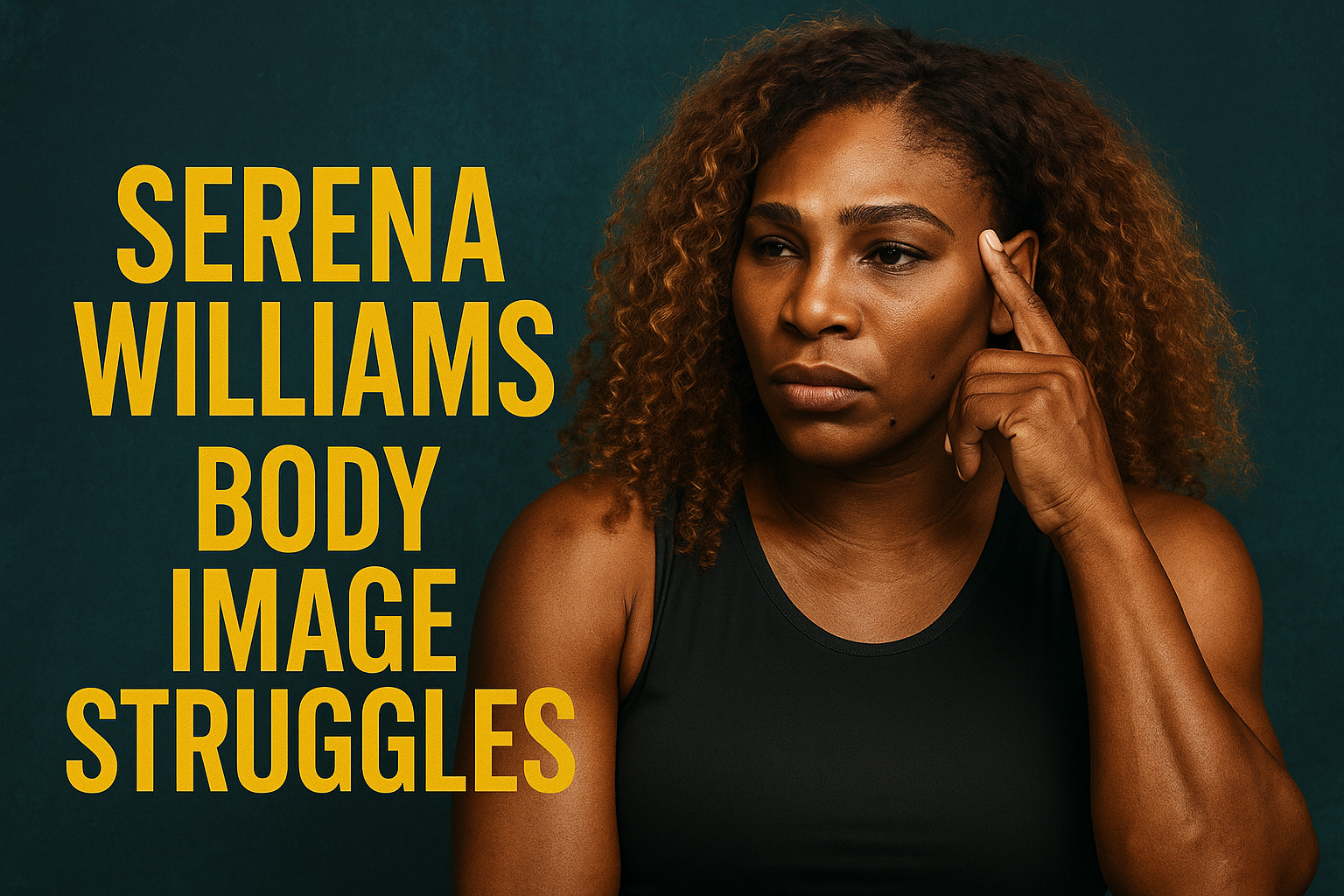
Serena Williams reveals a private struggle that reshaped her ascent, turning doubt about her body into fuel for a record breaking career, and setting a tone for this deeper look at her resilience.
In a candid PORTER interview, she explains how being different by the era’s thin beauty standards affected her mindset and why she believes the next generation deserves a fairer spotlight, one that judges performance more than appearance and invites diverse bodies into the spotlight.
Serena Williams Opens Up About Body Image From Early Tennis Days

Her early years on tour tested confidence, as her physique did not match the lean archetype that defined the court’s speed and power; she wrestled with questions about fit and future success while balancing explosive training, sponsorship pressures, and a demanding travel schedule.
That misalignment translated into mental pressure, shaping how she trained, how she prepared for matches, and how she talked to herself before stepping onto the court, influencing pre match rituals, on court demeanor, and even the way photographers framed her during critical moments.
It does affect you mentally. Absolutely, You think you’re large for your whole life and you look [back] and you’re like, I was fit. Yeah, I had big muscles. I didn’t look like these other girls but not everyone looks the same.
Serena Williams
After years of pushback from media and rivals, Williams chose boundaries: she stopped reading comments about herself to preserve focus and humility during a period when every result was scrutinized, and she pursued a discipline that kept her performance steady through highs and lows.
Her resilience extended beyond the court, earning praise for blocking out noise while continuing to win, including one of the sport’s most dominant runs, a stretch that saw her climb back from injuries, resets, and international scrutiny with unmistakable poise.
Shifting Narratives for Black Tennis Stars
The shift is visible in how fans and sponsors discuss players today, with greater emphasis on performance and personality rather than outdated stereotypes, a change that ripples through endorsements, media narratives, and coaching conversations across the sport.
Williams notes that being Black in tennis has historically invited negativity, yet she sees younger athletes navigating those currents with more agency and better support networks, including mentors who push for equal opportunities and fair coverage.
She has repeatedly emphasized the importance of representation, mentorship, and mental health resources that empower rising stars to stay grounded while chasing the sport’s biggest prizes, a trio of priorities that fans often overlook as coaches refine technique.
What The Next Generation Should Know
Her message to rising stars is simple: train hard, stay mentally steady, and ignore the noise that does not serve your game or your health, because consistency compounds into long term advantage and durable greatness.
As a leader who is also a student of public perception, Williams has shown how to balance extraordinary achievement with grace under constant scrutiny, a dual role that many aspiring champions study in real time.
With Coco Gauff and Naomi Osaka carrying the banner today, the sport is reframing norms that once boxed players in, creating room for broader experiences on and off court.
And as a 23-time Grand Slam champion, she has leverage to push for lasting change that outlives even her own matches.
Her journey also offers a blueprint for media and fans about how to celebrate excellence without erasing the human elements of a player’s story, a framework that encourages nuance over sensational headlines.
Ultimately the dialogue around body image, race, and sport continues to evolve, and Serena Williams remains central to that ongoing education.
She also reflects on her influence beyond tennis, noting how visibility can empower young women to pursue athletics despite stereotypes; she hopes schools and communities will adopt more inclusive curricula and programs.
The piece traces milestones, from her first Open victory to the 23 Grand Slam titles that define an era, while underscoring a career built on decisive on court craft and relentless preparation.
Let’s keep the conversation constructive as tennis rewrites what is possible for athletes of every shape, size, and background, and join the broader community of fans who want fair coverage and healthy competition. Join the conversation on Facebook

Introducing The Tennis Expert, your insightful guide into the world of tennis. With a passion for the game that started in childhood, they have dedicated years to studying and understanding every nuance of tennis. Their keen eye for detail and deep knowledge of the sport's strategies, history, and evolving trends make them a reliable source for tennis enthusiasts. Whether breaking down a classic match or offering tips for players, The Tennis Expert combines a fan's love for the game with an analyst's eye.