
Serena Williams edges closer to a possible tennis comeback.
The International Tennis Integrity Agency shows Serena Williams listed as eligible to return on Feb. 22, a technical milestone after she spent six months in the testing pool; there is no formal plan from her team, but the listing has reignited conversation about a possible on-court comeback.
ITIA Listing Clears A Formal Path

Re-entering the ITIA pool is a formal process intended to protect clean sport, and athletes who return must provide whereabouts details and be available for tests. In Williams’ case, finishing the six-month window is the administrative step that clears her to be listed as eligible by the agency.
Her reentry into the testing pool last year triggered an immediate media swirl and social media speculation, with fans parsing every post and press appearance for clues. The paperwork matters differently from a public declaration, so observers were left balancing procedure against Williams’ own public remarks.
In December she went direct to fans, writing ‘Omg yall I’m NOT coming back. This wildfire is crazy,’ a blunt message that many took as final even while officials noted procedural steps were in motion behind the scenes.
On television last month Williams was caught off guard by the question and reacted with a line that became soundbite fodder; she said, ‘I mean really, are you asking this on the ‘Today’ show? Oh my God,’ and the host replied, ‘They would kill me if I didn’t.’
Williams tempered the speculation by telling the interviewers she was ‘just having fun and enjoying my life right now,’ later saying ‘Did I re-enter? I didn’t know if I was out. Listen, I can’t discuss this,’ a line underlining her desire for privacy.
What The Rules Say
The ITIA requires athletes to provide detailed whereabouts so testers can collect samples with short notice, and anyone who steps off the list and later opts to compete again must be available for testing for a six-month period before being permitted to play.
“If Serena decides to return and compete at the professional level, together with her fans, we will enthusiastically welcome the return of one of the greatest champions in the history of our sport.”
Brendan McIntyre
A USTA spokesman captured the institutional welcome succinctly, reflecting how governing bodies squarely view Williams’ stature in the sport; any decision to resume competing would be met with fanfare and institutional support, even as the star herself insists no plan is in place.
Legacy, Logistics And The Public Response
Her record remains a measuring stick for greatness, with 23 Grand Slam singles titles and a career total of 73 trophies. Those numbers, together with a singles record of 858-156 and four Olympic gold medals, frame the scale of what a comeback could mean culturally and competitively.
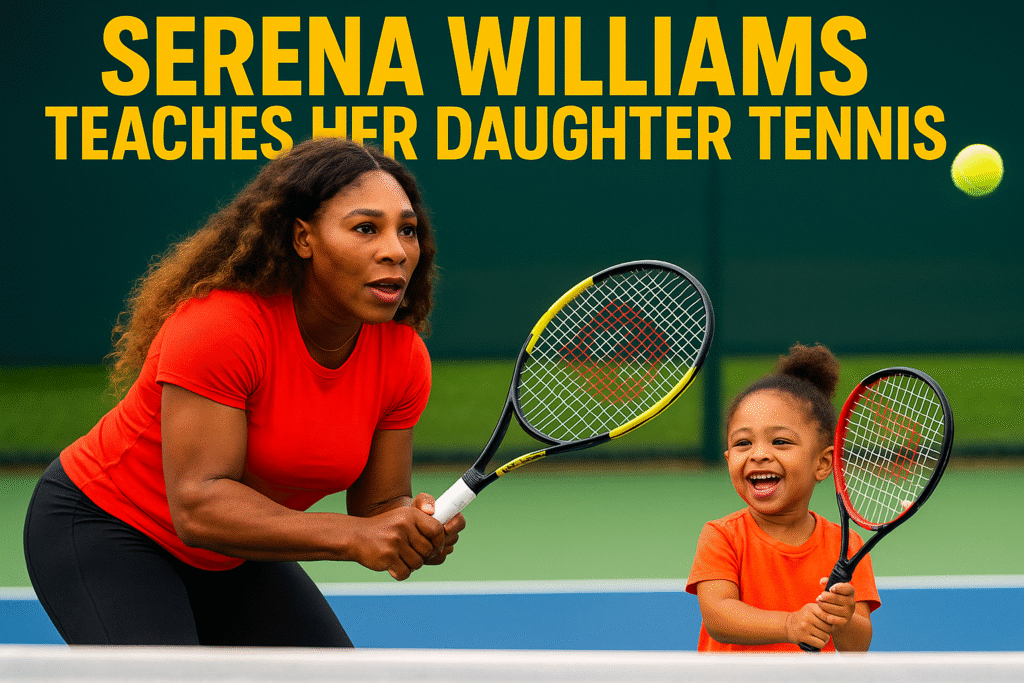
Williams has not played since the 2022 US Open and has framed her move away from the tour as evolution rather than retirement, emphasizing family goals and a Vogue essay that explained her focus on growing her life with daughters Olympia and Adira.
Her role as a paid spokesperson for Ro and the mention of GLP-1 treatments became part of the conversation, with Ro’s website stating she ‘lost 34 pounds in a year with GLP-1s,’ a fact that some pundits used to question fitness, timing and messaging around a potential return.
If Williams chose to play slams, organizers would have to navigate entry lists and wildcards, and broadcasters and promoters would quickly adjust marketing; those are logistical puzzles that often decide whether a high-profile comeback begins with a major, a smaller event, or a carefully chosen exhibition.
Beyond the on-court calculus there is commercial weight to consider: sponsors, media rights and ticket demand shift when Serena’s name is in play, and her recent deals and public profile mean any return would be as big a business story as a sporting one.
Practical hurdles remain: earning match sharpness, navigating ranking and entry lists, and choosing events that balance preparation with media obligations, because a veteran return is as much about logistics as it is about muscle memory and competitive edges.
For now the story is procedural rather than declarative: the ITIA listing makes competition possible, the USTA has welcomed the idea, and Williams herself has declined to lock a plan in, so the tennis world will watch schedules, interviews and her next public moves for any hint of commitment.
Join the conversation on Facebook.

Christoph Friedrich is a German tennis player and coach currently residing in Oakland, California. He began his tennis journey at the age of eight and has since dedicated his life to the sport. After working as a tennis coach and hitting partner in New York City for eight years, Christoph decided to share his knowledge and experience with tennis players around the world by creating the My Tennis Expert blog. His goal is to make tennis education accessible to everyone and help players select the best equipment for their game, from racquets and strings to shoes and overgrips. Christoph's extensive research and expertise in tennis technology make him a valuable resource for players of all levels.